In today’s competitive industrial environment, efficiency and cost control are key priorities for businesses across multiple sectors. Power tools, as essential equipment in construction, manufacturing, and maintenance, play a crucial role in achieving these goals. High-performance power tools are not only designed to deliver better results but also to help businesses reduce operational costs over time.
One of the primary advantages of high-performance power tools is increased productivity. Tools with higher power output and optimized design allow users to complete tasks more quickly and with greater precision. This reduces labor time and improves overall workflow efficiency. For businesses that rely on large-scale operations, even small improvements in efficiency can lead to significant cost savings.
Durability is another critical factor. High-quality tools are built with premium materials and advanced manufacturing processes, ensuring they can withstand intensive use. This reduces the frequency of repairs and replacements, lowering maintenance costs. In contrast, low-quality tools may have a lower initial price but often result in higher long-term expenses due to frequent breakdowns and shorter service life.
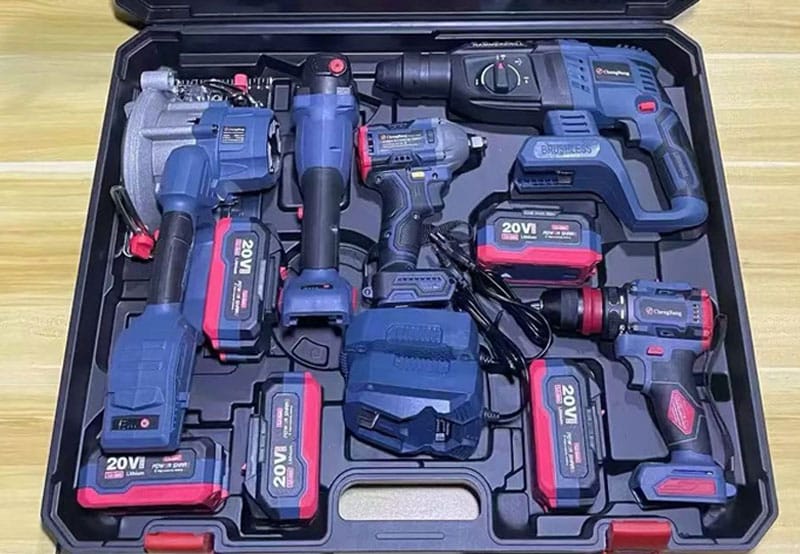
Energy efficiency is also becoming increasingly important. Modern power tools are designed to maximize output while minimizing energy consumption. This is particularly relevant for cordless tools, where battery performance directly affects usability. Efficient battery systems not only extend operating time but also reduce downtime caused by charging.
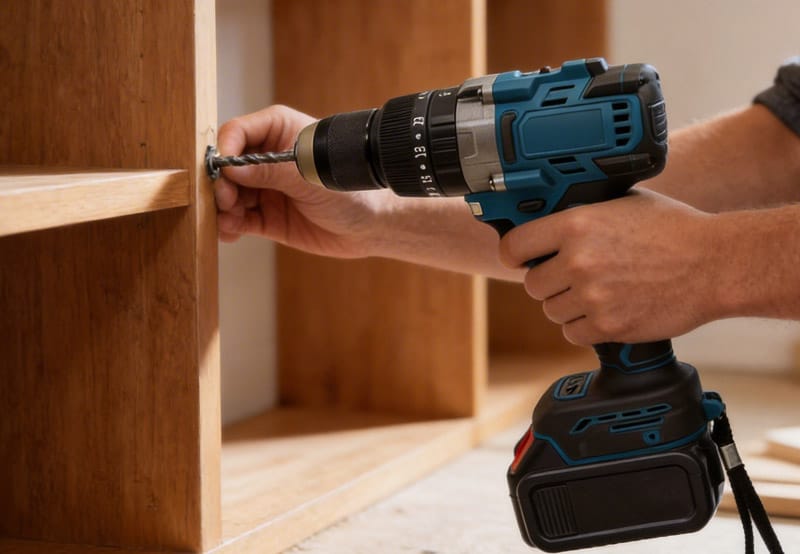
Ergonomic design is another aspect that contributes to efficiency. Tools that are comfortable to use reduce operator fatigue, allowing workers to maintain productivity over longer periods. Features such as balanced weight distribution, anti-slip grips, and vibration reduction enhance user experience and improve safety on the job site.
Consistency in performance is equally important. High-performance tools are engineered to deliver stable output under different working conditions. This reliability ensures that tasks can be completed with consistent quality, reducing the risk of errors and rework. For businesses, this translates into better results and improved customer satisfaction.
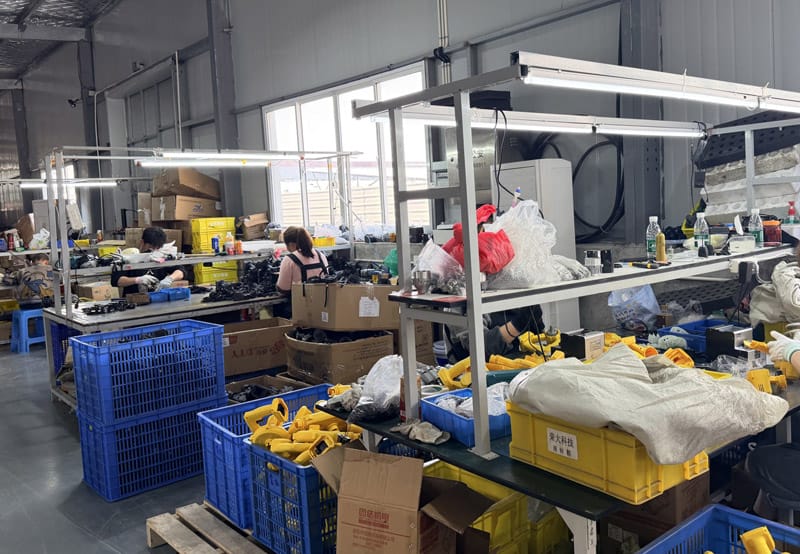
Customization also plays a role in enhancing efficiency. Manufacturers that offer OEM and ODM services can tailor tools to specific applications, ensuring optimal performance for different industries. This level of customization allows businesses to use tools that are perfectly suited to their operational needs, further improving efficiency.
Another important consideration is safety. High-performance tools often include advanced safety features such as overload protection, temperature control, and automatic shut-off systems. These features not only protect the equipment but also reduce the risk of accidents, creating a safer working environment.
From a business perspective, investing in high-performance power tools is a strategic decision. While the initial cost may be higher, the long-term benefits in terms of productivity, durability, and reduced maintenance make them a cost-effective choice. Companies that prioritize quality tools are better positioned to improve efficiency and maintain a competitive edge.
In summary, high-performance power tools offer a combination of productivity, reliability, and cost efficiency. By choosing the right tools and working with reliable suppliers, businesses can optimize their operations and achieve sustainable growth in today’s competitive market.