The global power tool industry continues to evolve rapidly in 2026, driven by technological innovation, shifting customer expectations, and increasing demand across construction, manufacturing, and home improvement sectors. For distributors, importers, and brand owners, understanding these changes is essential to staying competitive in an increasingly dynamic market.
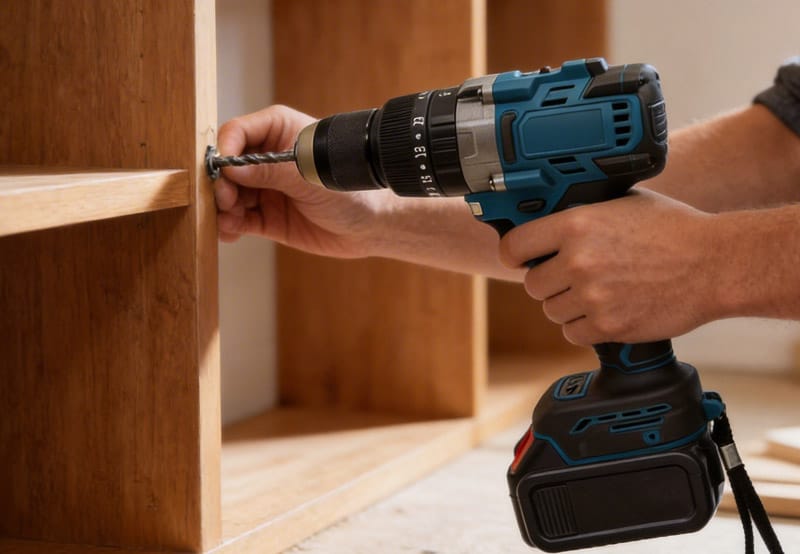
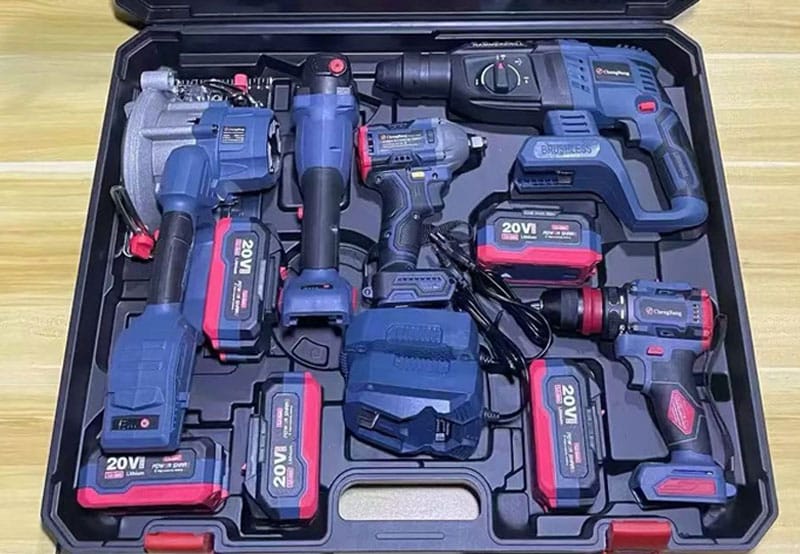
One of the most significant trends shaping the industry is the growing demand for cordless power tools. Advancements in lithium-ion battery technology have made cordless tools more powerful, efficient, and reliable than ever before. Buyers are no longer willing to compromise performance for mobility. Instead, they expect tools that deliver both high output and flexibility. As a result, manufacturers are investing heavily in battery optimization, fast-charging systems, and energy-efficient designs.
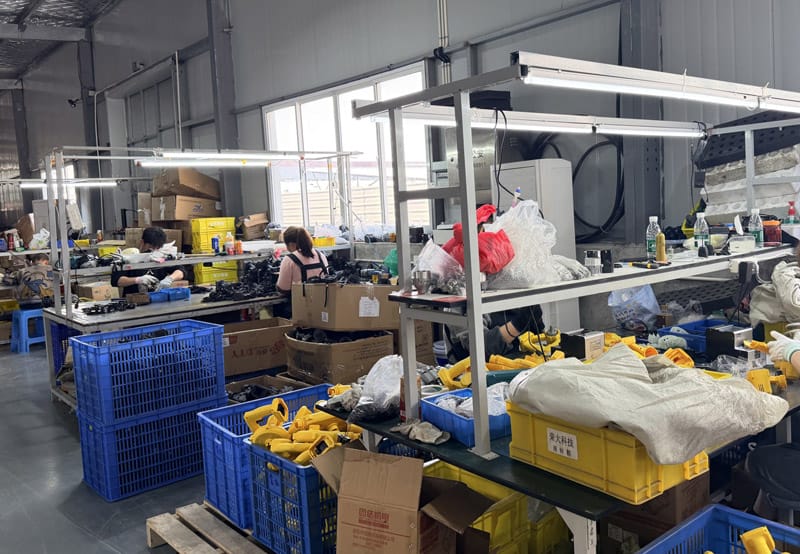
Another key development is the increasing importance of durability and consistency. In global markets, especially in regions with demanding working environments, tools must withstand long hours of operation and varying conditions. Buyers are prioritizing products that offer stable performance across multiple batches. This has made quality control systems and material selection critical factors in supplier evaluation.
Cost efficiency also remains a major concern. While high-end tools continue to dominate premium markets, there is a growing segment of buyers seeking a balance between performance and affordability. This trend is particularly evident among wholesalers and distributors who serve mid-range markets. For these customers, value is defined not only by price but also by long-term reliability and reduced maintenance costs.
In addition, customization has become an essential service in the industry. OEM and ODM capabilities are now expected rather than optional. Buyers increasingly require tailored solutions, including branding, packaging, and product specifications that align with their local market demands. Manufacturers that can provide flexible and responsive customization services are gaining a significant competitive advantage.
Supply chain reliability is another critical factor in 2026. Global disruptions in recent years have highlighted the importance of stable sourcing, efficient production, and dependable logistics. Buyers are placing greater emphasis on long-term partnerships with suppliers who can ensure consistent delivery schedules and minimize risks.
Sustainability is also emerging as an important consideration. While not yet the primary driver for all markets, there is a noticeable shift toward environmentally responsible manufacturing practices. Energy-efficient production processes, recyclable materials, and reduced emissions are becoming part of supplier evaluation criteria, especially in developed markets.
Furthermore, digitalization is beginning to influence the industry. From smart tools with integrated sensors to data-driven manufacturing processes, technology is reshaping how products are designed, produced, and used. Although adoption is still in its early stages, it represents a future direction that forward-thinking companies are actively exploring.
In conclusion, the power tool industry in 2026 is defined by innovation, efficiency, and adaptability. Buyers are no longer focused solely on price; they are looking for reliable partners who can deliver consistent quality, flexible solutions, and long-term value. For manufacturers, success lies in combining technical expertise with a deep understanding of global market needs.